




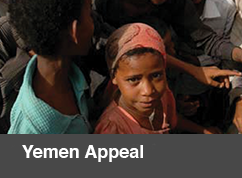
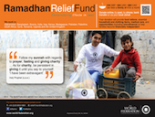
While thousands of Muslims across the globe are filled with great anticipation of what this blessed and spiritual month brings, others, including orphans, widows, seniors, children and the disabled, are dealing with the struggles their daily life brings.

Translate this page

19 October 2026 / 7. Jamaad-Ul-Awwal 1448
Typhoon Haiyan leaves Philippines in state of disaster
On the 8th of November 2013, Typhoon Haiyan, one of the most powerful storms on record struck the coast provinces of Leyte and Samar in the Philippines. With wind speeds in excess of 200 miles per hour, the Typhoon flattened houses and schools and caused widespread loss of life. Official reports suggest that as many as 10,000 people have been killed.
We understand that more than 9 million people have been affected and many are now struggling to survive without food, shelter or clean drinking water. In addition, according to UN figures, over 660,000 people have been displaced from their homes and have nowhere to go.
The Philippine President, Benigno Aquino has declared a state of national calamity in an effort to speed up the relief efforts for victims. The damage caused to roads and airports has also delayed the delivery of aid even further.
Victims of this calamity are scared, tired, homeless and hungry. Six days after the storm and with little aid reaching these people, the situation is becoming alarming. Desperate for food, those affected are sifting through the wreckage and abandoned belongings in search for something to eat.
PHILIPPINES TYPHOON APPEAL
A global fund has been set up by The World Federation to help the victims of those affected by this disaster. The monies raised will be used to help with the relief operations and providing aid. Please donate generously today.
DONATE ONLINE:
Donate in Europe
Donate in North America
Donate in the rest of the World
View poster
photos courtesy BBC and AFP
Related News
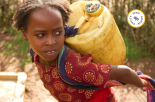
This Muharram, help us give vulnerable communities access to water and work towards an end to a crisis that causes disease, hinders economies, restricts development and disproportionately affects women and children.
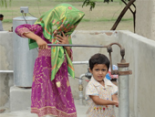
In January 2015, The World Federation launched an appeal to raise funds for building water well hand-pumps in Pakistani villages where families do not have access to clean water.

