




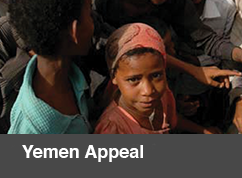
 Since the upsurge of the conflict in Syria (March 2011), more than 2.1 million Syrians have fled their homes only to take refuge in bordering countries or within Syria itself. According to the United Nations High Commissioner for Refugees (UNHCR), over 600,000 people have escaped to Turkey, Lebanon, Jordan and Iraq.

Translate this page

15 October 2026 / 3. Jamaad-Ul-Awwal 1448
Qurbani - Sacrifice in the Way of Prophet Ibrahim (as)
‘Therefore offer prayer for your Lord, and do the sacrifice.’ (Quran 108:2). ‘Qurbani’ is Arabic for ‘sacrifice’ of an animal (usually a cow, sheep or goat) in the way of Islam whose meat is then distributed among the deserving for consumption. This sacrifice takes place during Eid al-Hajj. This tradition has origins in the time of Prophet Ibrahim, where it symbolizes the willingness of Prophet Ibrahim to sacrifice his son Ismail in the way of Allah.
‘But why is Qurbani performed?’ one might ask. The answer lies in two very valuable benefits associated with this act. One being the humanitarian benefit of helping the poor and the needy. The other reason relates to the idea of spiritual closeness and submission to Allah (swt). Sacrificing an animal in this way signifies letting go of things for the benefit others in submission to Allah (swt) in order to get closer to Him. As the Holy Quran says:
‘It is not their flesh or their blood that reaches God. Rather, it is your God-wariness that reaches Him…’
(Holy Qur’an 22:37)
|
|
|
|
One can also enhance their spiritual journey prior to this. The World Federation of KSIMC is currently providing a wealth of resources that can help you along your spiritual journey of Hajj, including 4GB MP3 player pre-loaded with various Hajj related MP3’s. To find out more: Click Here |
The World Federation of KSIMC is running a Qurbani Appeal 2014 campaign and is now taking orders. For more information: Click Here |
Related News

In Iraq, 400 families including orphans, widows and those living in local slums will receive a food basket.
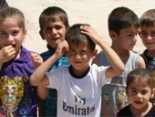
The World Federation is pleased to launch its second annual N2K WALK 2014 fundraising campaign and is inviting pilgrims planning to trek from Najaf to Karbala to raise money for its IRAQ RELIEF FUND to support displaced families in Iraq.

